01
Custom Web Design
Original layouts and reusable content sections shaped around your services, audience, brand position and lead-generation goals.

Langley Web Design
Custom websites for Langley businesses that need clearer services, stronger local visibility and a practical path from search to call, booking, store visit or qualified quote request.
Langley is not one single market. A customer comparing businesses in Downtown Langley, Willowbrook, Willoughby, Walnut Grove, Brookswood, Aldergrove or an industrial area may have different travel patterns, service expectations and buying questions. Your website should make the right information easy to find without relying on generic city-name repetition.
A strong Langley web design project should include business discovery, sitemap planning, search-intent mapping, service-page structure, meaningful local context, responsive layouts, conversion paths, internal linking and launch review. The final scope should reflect whether you operate from a storefront, serve homes or job sites, sell online, cover both Langley City and the Township, or market technical capabilities to regional B2B buyers.
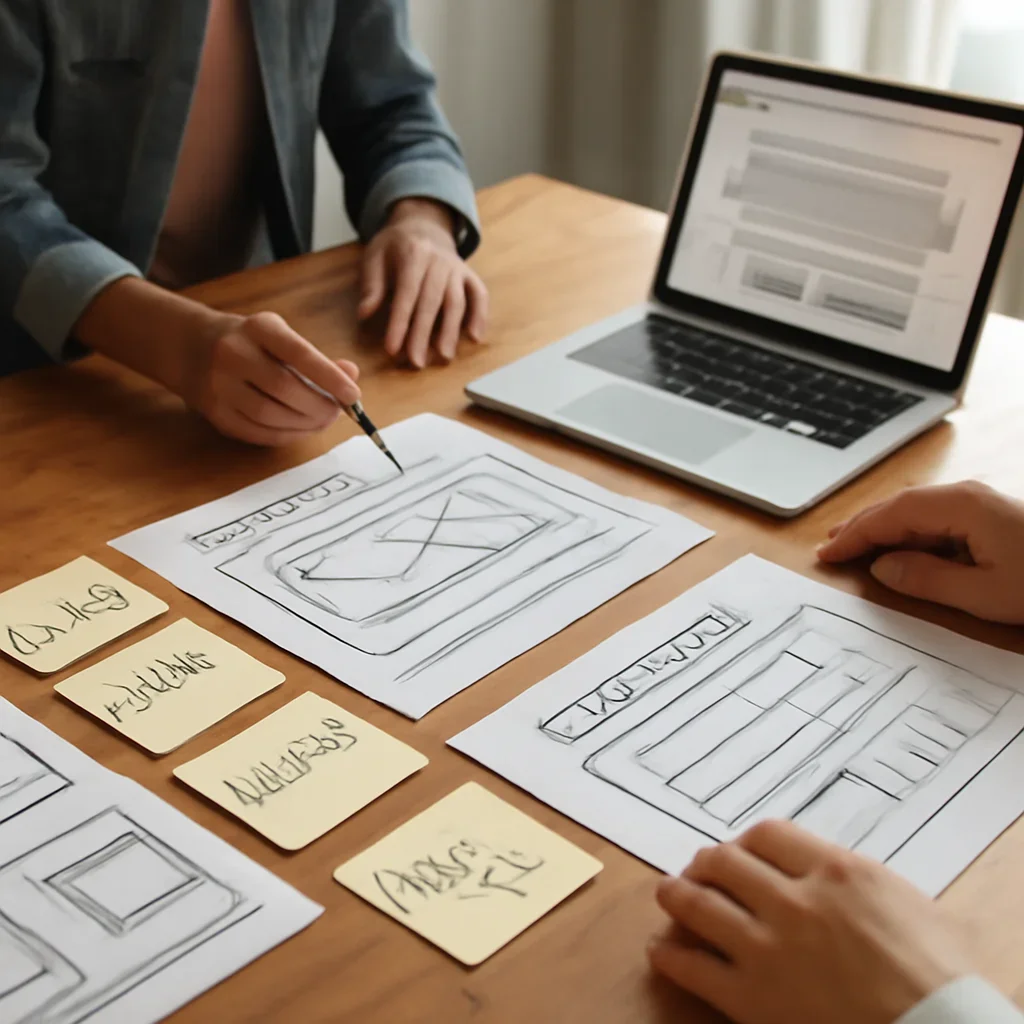
Effective Langley websites connect customer questions, geographic reach and a visible next step instead of treating design, content and SEO as separate tasks.
Why local structure matters
A shopper near Willowbrook, a homeowner in Willoughby, a family in Walnut Grove, a farm or equestrian operator in the Township and a procurement team reviewing an industrial supplier are not following the same decision path. They need different levels of service detail, location context, evidence and response information.
A conversion-focused website reduces uncertainty in the right order. It explains the offer, who it is for, where the business works, what the process involves and what the visitor should do next. Local SEO becomes useful when that structure helps a real customer make a decision.
Langley web design services
A new website, redesign, local SEO project and ecommerce build require different page structures and conversion paths. The project should begin with the outcome your business needs rather than a generic design package.
Original layouts and reusable content sections shaped around your services, audience, brand position and lead-generation goals.
Rebuild an outdated or confusing website while protecting useful content, important URLs and existing search visibility where practical.
Plan services, local context, internal links and direct answers so search visibility and usability support the same customer journey.
Improve the journey from first impression to service comparison, evidence, pricing context and a clear inquiry action.
Refine navigation, content density, forms, tap targets and calls to action for customers searching from phones and tablets.
Create clearer category, product, local pickup, delivery and checkout journeys for Langley retailers, producers and online brands.
Hyperlocal Langley strategy
Langley City functions as a compact regional commercial centre, while the Township includes fast-growing suburban communities, established neighbourhoods, rural properties, farms, industrial land and destination businesses. A useful website should reflect that geography only where it changes the service, audience, travel expectations or proof a customer needs.
Independent retailers, restaurants, professional services and appointment-based businesses benefit from clear visit details, parking context, local proof and mobile-friendly calls or bookings.
High-traffic retail, hospitality, automotive and service businesses need clear location information, product or service comparison and strong regional conversion paths.
Rapid residential growth creates demand for clinics, family services, home services, real estate and local retail. Content should explain availability, booking and service coverage without thin neighbourhood pages.
Established neighbourhood services and destination-oriented businesses often need stronger trust content, directions, hours, events, reservations or visitor planning information.
Local service businesses should make travel radius, response expectations, appointment options and community coverage easy to understand on mobile.
Manufacturers, fabricators, logistics firms, wholesalers and technical suppliers need capability pages, industries served, specifications, certifications and procurement-focused inquiry paths.

Local content should distinguish meaningful customer journeys across Langley City, suburban communities, rural areas and industrial markets.
Websites for Langley industries
The website should reflect how your customer evaluates risk, compares providers and decides whether to call, visit, book, buy or request technical information.
Home-service, construction and property businesses need clear service coverage, response expectations, project proof, qualifications and fast quote actions.
Clinics, advisors, legal firms and specialists need audience pathways, credentials, appointment information, privacy-aware forms and clear next steps.
Stores, restaurants, venues and visitor businesses benefit from hours, directions, menus or catalogues, reservations, events and mobile-first visit planning.
Farms, wineries, equestrian businesses and attractions may need seasonal information, booking, product sales, visitor guidance and distinct local storytelling.
Industrial companies need technical capability pages, sectors served, equipment, quality standards, delivery reach and sales or procurement contacts.
Property, technology and multi-location businesses need scalable page systems, recruitment content, project information and clear regional positioning.
What is included
The project should connect business goals, content, design and development requirements before launch. This reduces rework and gives every important page a clear role in search, trust and conversion.
Choose a new build when the business has changed, the current platform limits growth or the site cannot support the services, locations and functionality you now need.
Choose a redesign when useful authority or content exists but the website feels dated, unclear, inconsistent, difficult to update or weak on mobile.
Start with the highest-value pages, then expand service, industry, ecommerce, resource and location content in planned stages.
Website design process
Each stage answers a different question, so the project does not jump into visual design before the website’s purpose, users and structure are clear.
Clarify the business model, audience, services, service area, current site problems and main visitor action.
Map the sitemap, page roles, local content, internal links and the journey from first visit to inquiry.
Define what each section must explain, which questions need direct answers and where proof should appear.
Create the interface system, then refine important screens for desktop, tablet and mobile use.
Check content, links, calls to action, headings, accessibility basics and launch requirements before publishing.
Langley local SEO architecture
A separate local page is useful when the service, audience, operating location, offer or proof is genuinely different. Publishing near-identical pages for every Langley community can create thin content and a difficult website to maintain.
Show the exact location, access, parking or transit information, hours, booking options and what a visitor should expect.
Explain the real service radius, travel limits, response expectations and whether coverage differs between Langley City, suburban communities and rural properties.
Prioritize capabilities, industries, specifications, certifications, delivery reach and procurement contacts over excessive neighbourhood content.
Experience, expertise and trust
Trust is stronger when the website shows who performs the work, how the process operates, what the service includes and what evidence supports the claims being made.
Langley website design pricing
A small local service website, a multi-community lead-generation site, an industrial capabilities website and an ecommerce store require different levels of planning, content, design, development and testing.
A useful quote should identify page types, content responsibilities, required integrations, revision stages, timeline and post-launch expectations rather than providing one unexplained total.
Share your current website, core services, Langley service area, required pages, preferred timeline, examples you like and any known booking, ecommerce or integration requirements.
Your information should be reviewed against scope, fit and priorities. The next step may be a focused consultation, a request for missing details or a clear recommendation for a phased project.
Explore the right next step
Use the page that most closely matches your business model, current website problem or planning stage.
Langley web design FAQ
These answers provide a practical starting point. Final recommendations depend on your current website, required pages, service area, content readiness, functionality and growth plan.
Yes. Projects can support businesses in Downtown Langley, Willowbrook, Willoughby, Walnut Grove, Fort Langley, Brookswood, Murrayville, Aldergrove and Langley’s industrial and rural areas.
Yes. Local SEO planning can include service-page hierarchy, meaningful Langley context, internal links, direct-answer sections, location architecture, mobile usability and content matched to real customer intent.
No. Create a separate page only when the area has a distinct service, audience, location, offer or verified local proof. Near-duplicate pages can weaken the website and create unnecessary maintenance.
Yes, but the journeys should be separated. Consumer pages may focus on appointments, service areas and quick contact, while B2B pages usually need capabilities, industries, specifications and procurement information.
Often, yes. Useful URLs and content can be retained when they still support the strategy. Necessary changes should be mapped carefully, with relevant redirects and internal links updated before launch.
Timing depends on page count, content readiness, functionality, review speed and the number of stakeholders involved. A realistic schedule should be confirmed after scope and responsibilities are clear.
Provide your current website, business summary, main services, Langley service area, required pages, preferred timeline, examples you like and any booking, ecommerce, CRM or integration requirements.
Responsive design should be part of the project from the beginning. Navigation, content density, tap targets, forms, calls, directions, bookings and quote actions should be reviewed across common screen widths.
Start your Langley website project
Share what your business does, which Langley communities or industries you serve, what is not working on the current website and what result the new site should support. The next step can be based on real scope rather than a generic package.
Useful starting details include your current URL, required pages, Langley service area, timeline and any booking, ecommerce or integration needs.
