01
PPC Landing Pages
Focused pages for Google Ads and other paid campaigns that connect the ad message with the offer and next action.
Landing Page Design Vancouver
Get a focused landing page for Google Ads, social campaigns, lead generation, promotions or sales offers—with clear messaging, strong proof and an easy next step.
We bring the offer, content, design, forms and mobile experience together so visitors can quickly understand what you are offering and decide whether to take action.
A landing page is a focused page created for a specific campaign, offer, service, product or audience. It gives visitors the information they need to evaluate the offer and guides them toward one main action, such as calling, booking, requesting a quote, registering or buying.
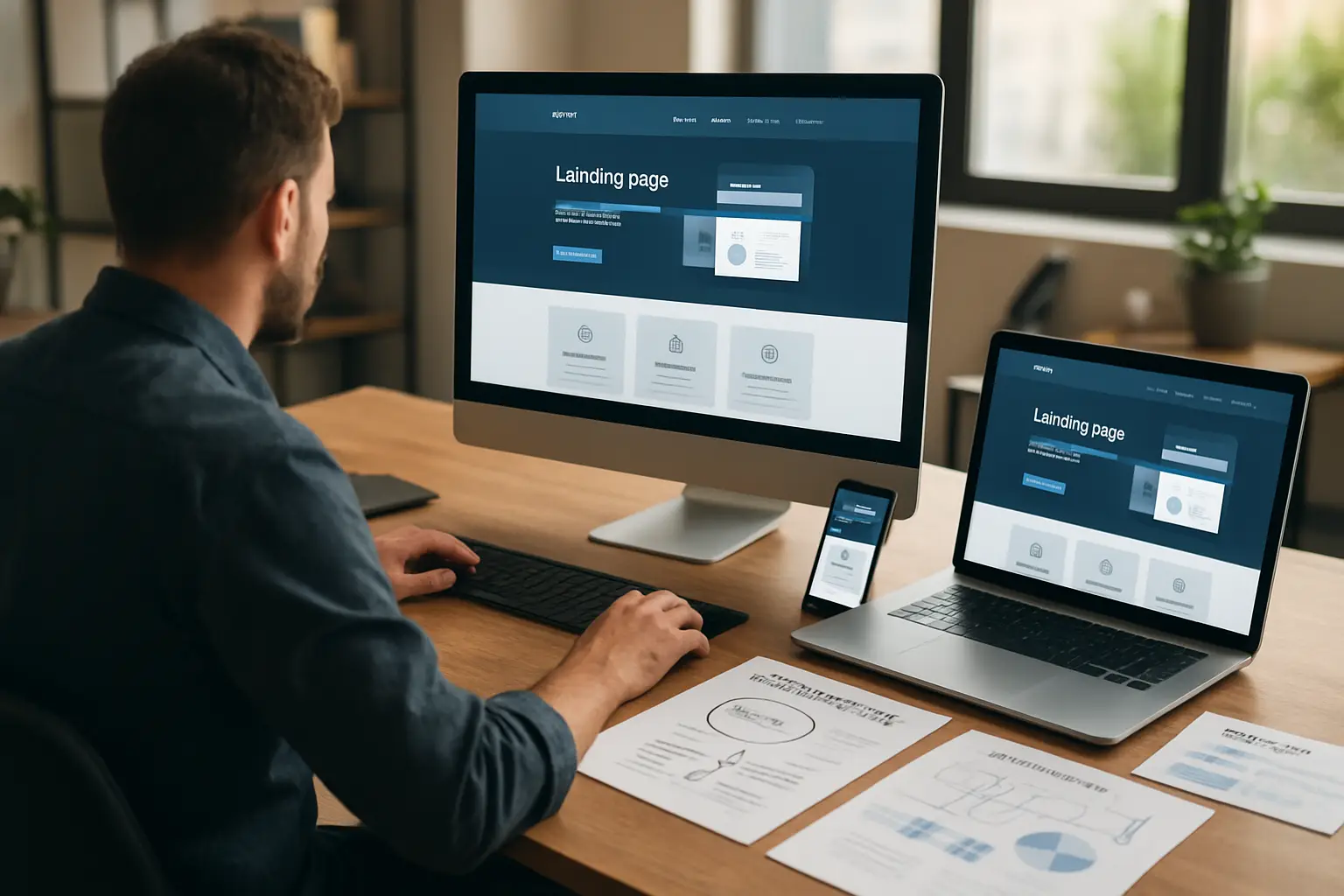
A good campaign page continues the promise that brought the visitor there and makes the next step clear.
Focus the Campaign
A homepage often needs to introduce several services and audiences. Campaign visitors usually arrive looking for something more specific.
A dedicated landing page can focus on the exact service, promotion, product or offer and provide the information a visitor needs before taking the next step.
Landing Page Services
The right structure depends on what you are promoting, who the campaign needs to reach and what you want visitors to do next.
Focused pages for Google Ads and other paid campaigns that connect the ad message with the offer and next action.
Quote, consultation, call or booking pages built to help suitable prospects inquire about a specific service.
Longer pages for services, products, demos or offers that require more explanation before someone is ready to act.
Explain who the service is for, what the consultation involves and what someone should expect before booking.
Focused pages for new services, product releases, registrations, events and time-sensitive promotions.
Improve an existing page when the message, proof, mobile experience or inquiry path is making the campaign harder to use.
Landing Page Structure
A landing page needs more than a headline and form. Each section should help the visitor understand the offer, evaluate the business and feel confident about the next step.
Confirm what the page is about and make the main benefit easy to understand immediately.
Explain what is being offered, who it is for and what the visitor can reasonably expect.
Support relevant benefits with reviews, examples, credentials, experience or other useful evidence.
Address practical questions about timing, pricing factors, availability, service coverage or process.
Make the form, call, booking or purchase action easy to find and explain what happens afterwards.
Define the actions that matter so campaign performance can be reviewed after launch.
What Is Included
The final scope depends on the campaign, but the page should connect content, design, forms, mobile usability and launch requirements before traffic is sent to it.
Project Fit
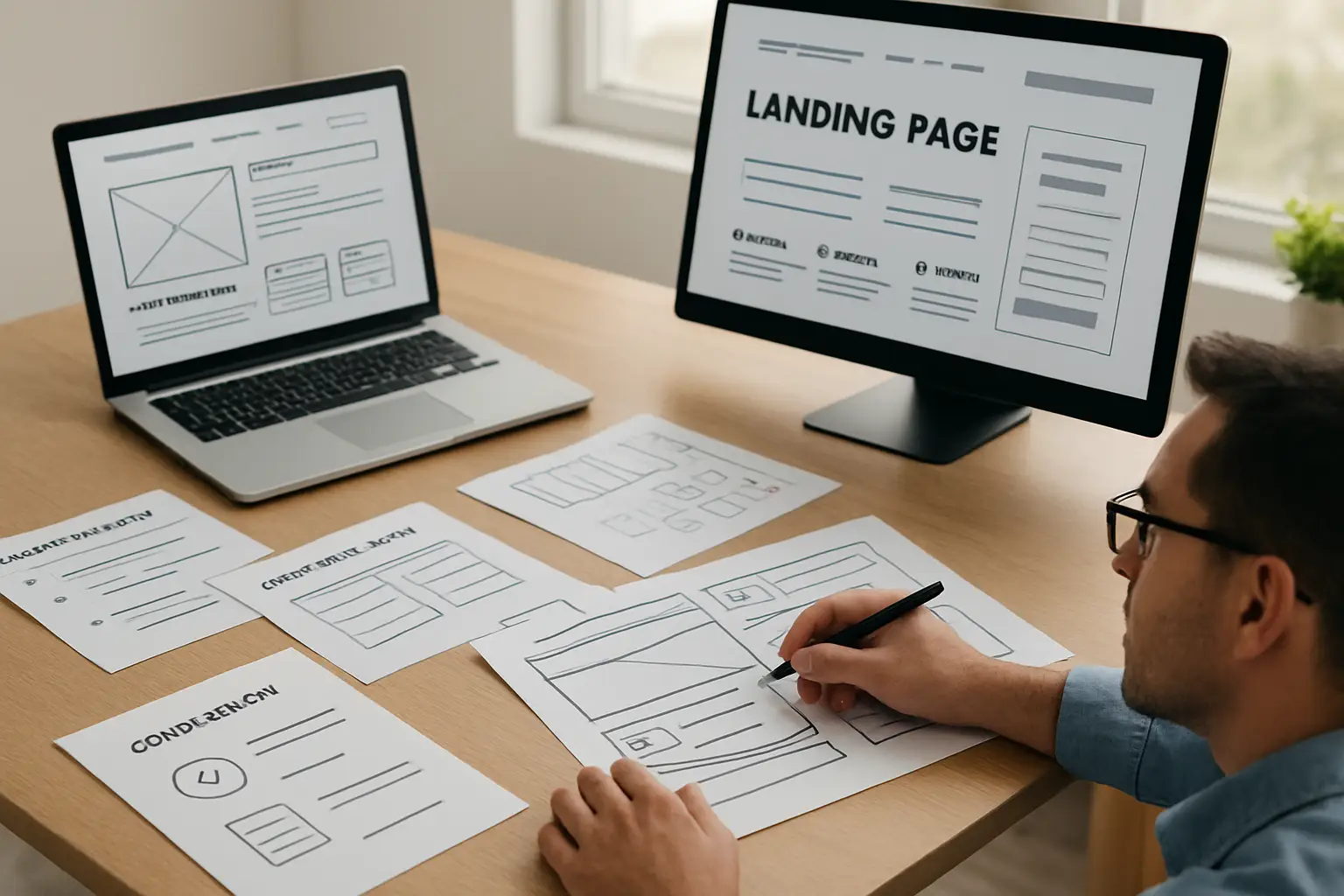
The process starts with the campaign and customer decision before moving into page design.
Landing Page Process
The process keeps the offer, content, design and technical requirements connected from planning through launch.
Review the audience, traffic source, offer, available proof and the action visitors should take.
Define the main promise, supporting information, proof, frequently asked questions and call to action.
Gather service details, reviews, examples, credentials, process information and other useful material.
Create the responsive page and connect forms, phone actions, booking tools or agreed integrations.
Check content, forms, calls to action, responsive behaviour and agreed tracking before launch.
Choose the Right Project
The right project depends on whether the challenge is limited to one campaign or affects a larger part of the website.
Best when one offer, service, product or promotion needs a focused destination and a clear primary action.
Better when visitors face problems across several service pages, forms, navigation or other parts of the website.
Better when customers need to explore several services, learn about the business and move through a wider inquiry journey.
Landing Page Pricing
A straightforward campaign page requires less work than a project with custom qualification, booking tools, CRM connections, page variations or more advanced tracking.
One offer, standard content sections, one main form or action, responsive design and launch review.
More detailed content, qualification needs, custom proof, booking requirements or integrations.
A reusable design system for businesses running several different campaigns or offers.
Campaign Performance
A useful landing page should help generate the right actions from the right visitors. Performance can be reviewed using both page activity and the quality of the inquiries or sales that follow.
Related Services
Depending on the campaign, the project may also require responsive design, integrations, wider website improvements or supporting proof.
Landing Page FAQ
Answers about PPC pages, lead generation, forms, mobile design and project scope.
Scope can include campaign review, page planning, content direction, responsive design, forms, calls to action, integrations, tracking requirements and launch review.
Yes. A PPC landing page can reflect the ad message, campaign offer, audience and intended action so visitors reach a page that matches what they expected when they clicked.
A lead generation landing page focuses on an inquiry action such as a quote request, consultation, phone call or booking for a particular campaign or service.
A sales landing page gives a visitor enough information to evaluate a particular offer and take the intended next step, such as purchasing, requesting a demo, booking or inquiring.
Usually. A landing page is designed around a particular campaign and action, while a normal website page may need to support several visitor journeys and navigation options.
Ask only for the information required for the next business step. A simple inquiry may need basic contact information, while a more complex service may require a few qualification questions.
Responsive design should be part of the page from the beginning. Content order, typography, buttons, forms and important actions should all be reviewed for smaller screens.
Yes, when the same offer, availability and customer experience apply across those areas. The page should clearly explain where the service is available so visitors know whether the offer applies to them.
Cost depends on content requirements, custom sections, forms, booking or CRM connections, integrations, tracking needs and whether the project requires one page or a reusable campaign page system.
Start Your Landing Page Project
Share the offer, audience, traffic source, desired action and launch requirements so we can understand what the page needs to accomplish.