01
Mission and Positioning
Clarify the community need, organizational purpose, people served and distinctive role of the nonprofit.
Nonprofit Web Design Vancouver
Build a nonprofit website that explains your mission clearly, demonstrates real impact and gives donors, volunteers, partners and community members a straightforward way to take action.
We design nonprofit websites for Vancouver and British Columbia organizations that need stronger public trust, clearer program information, more accessible supporter journeys and a website their team can manage as campaigns and services evolve.
A nonprofit website should include a clear mission, program and service information, impact evidence, organizational leadership, contact details and distinct ways to donate, volunteer, partner or access support. It should also explain how contributions are used, who the organization serves and what happens after a visitor takes action.

Nonprofit website planning should connect the mission, community need, programs, evidence of impact and the next action for each audience.
Why nonprofit website clarity matters
A donor may be looking for impact and financial transparency. A volunteer may need eligibility, scheduling and role information. A community member may simply need to find a program, service or referral pathway.
A strong nonprofit website recognizes these different needs and avoids forcing every visitor through the same generic page or contact form.
Nonprofit website design services
Nonprofit website design should balance storytelling with practical access to programs, organizational information and supporter actions. Every section should have a clear role.
Clarify the community need, organizational purpose, people served and distinctive role of the nonprofit.
Organize programs, services and eligibility information so community members can find the right resource.
Give donors clear context, contribution options and an understandable path to the approved donation system.
Explain roles, expectations, application steps and who volunteers can contact for more information.
Present outcomes, stories, leadership and reports in a format that helps visitors evaluate the organization.
Improve readability, navigation, forms and supporter actions across desktop, tablet and mobile devices.
Vancouver nonprofit reality
A neighbourhood food program, regional cultural society, housing organization and province-wide advocacy group need different website structures. Hyperlocal content should be based on real programs, service access and community relationships—not repeated location pages.
Community organizations may need urgent program access, clear eligibility details, service hours, referral information and mobile-friendly directions.
Family, youth, newcomer and neighbourhood programs may need multilingual readiness, simple service navigation and practical community contact information.
Cultural organizations may need event information, membership, program registration, community history and partnership pathways.
Regional nonprofits should distinguish local offices, delivery areas, remote services and province-wide programs accurately.
Nonprofit audience pathways
Donors, volunteers, partners, funders, media contacts and community members may arrive with completely different goals. The website should help each audience find the right information without creating a crowded homepage.
A person looking for help should not need to navigate fundraising content before finding service information.
“Donate,” “Volunteer,” “Become a partner” and “Access a program” communicate more clearly than one generic “Get involved” button.
Tell visitors what happens after a donation, volunteer application, program inquiry or partnership request.
Build repeatable page patterns so new programs, campaigns, resources and community updates can be added consistently.
Nonprofit impact and transparency
Strong nonprofit credibility comes from specific programs, accurate organizational information, real community experience and impact evidence that visitors can understand.

A nonprofit website process should connect the mission, programs, audiences, content responsibilities and supporter actions.
Nonprofit web design process
The project begins by understanding the organization’s programs, audiences, responsibilities and content capacity before layouts and visual decisions are finalized.
Clarify mission, programs, audiences, geography, supporter goals and current website problems.
Organize services, donations, volunteering, partnerships, reports and community resources.
Define the mission story, program detail, impact evidence and organizational information required.
Create responsive layouts for donations, program access, volunteering and partnership inquiries.
Check program content, organization details, links, forms, donation pathways and mobile usability.
Supporter-focused conversion
Nonprofit conversion design should respect the visitor’s intent. A program participant needs help finding a service, while a donor may need impact and contribution information before taking action.
Explain the purpose of support and guide visitors to the organization’s approved donation process.
Present available roles, expectations, application requirements and next steps before asking someone to apply.
Help community members find service details, eligibility, hours and the correct contact method quickly.
Give funders, sponsors and community partners a separate route to relevant organizational information.
Inclusive nonprofit website design
Nonprofit audiences can include older adults, newcomers, people using assistive technology and visitors under stress. Clear structure and accessible interactions are essential parts of the user experience.
Nonprofit website pricing
A small community organization with a few programs requires a different website structure from a regional nonprofit with several departments, campaigns, events, reports and supporter systems.
A useful project quote should identify required programs, audience pathways, integrations, content responsibilities and any existing material that needs to be reorganized or migrated.
Share the current website, mission, program list, priority audiences, donation process, volunteer needs and content readiness.
Numerous programs, content migration, multilingual content, donation connections, registrations and resource libraries generally require more planning.
The organization can begin with its mission, priority programs and core supporter actions, then add reports, stories, resources and campaigns.
Nonprofit website questions
These answers cover mission content, donations, volunteering, impact reporting, local SEO, accessibility and website redesign.
Most nonprofit websites need a homepage, mission or about page, separate program pages, impact or results information, organizational leadership, contact details and clear donation, volunteer or program-access pathways.
Explain the community need, who the organization serves, what it does and what changes it is working toward. Use specific language instead of broad statements that could describe any nonprofit.
The website can link or connect to an approved donation process when the platform and project scope support it. The full journey should be tested across desktop and mobile before launch.
A volunteer page can explain available roles, time commitment, location, eligibility, application steps and what happens after someone expresses interest.
Use accurate outcomes, reports, program figures and stories with enough context to explain what the information means. Avoid unsupported claims or presenting activity totals as proof of long-term outcomes.
Local SEO can be supported through accurate organization details, clear program pages, real service-area information, community partnerships and useful local resources. Repeating the same page for many neighbourhoods is not a strong local strategy.
Yes. A redesign can improve program architecture, supporter pathways, accessibility, impact presentation and mobile usability while retaining useful content and important URLs where practical.
Share the current website, mission, programs, audiences, impact information, donation and volunteer processes, brand materials and the main problems the new website should solve.
Nonprofit website resources
Use these related services and resources to improve mission clarity, supporter action, responsive usability and long-term website growth.
Start your nonprofit website project
Share your mission, programs, audiences, donation process and current website. You will get clearer direction on page architecture, community relevance, supporter pathways and the most practical next step.
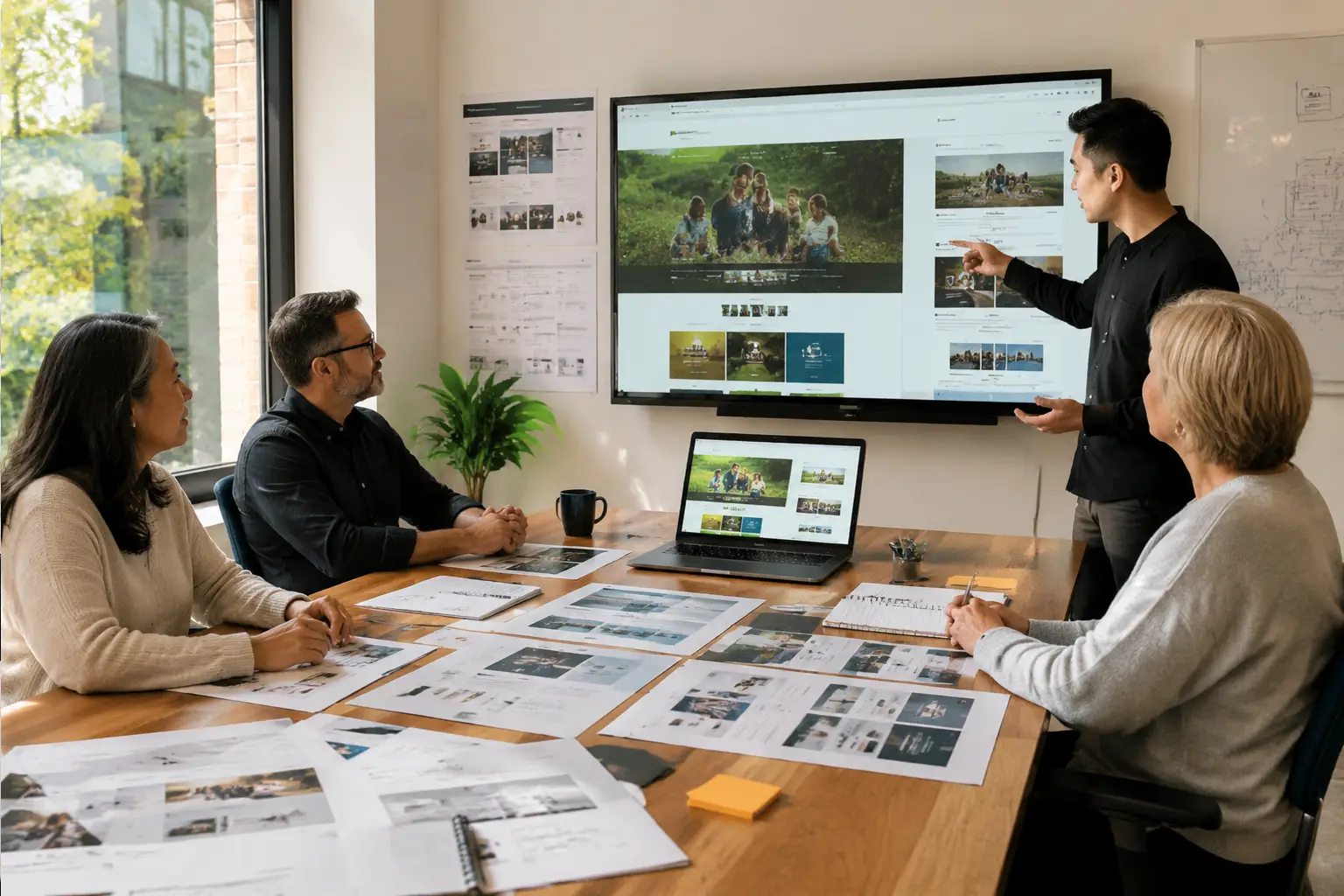
Start with the mission, programs and audience needs, then build the website around meaningful community and supporter actions.